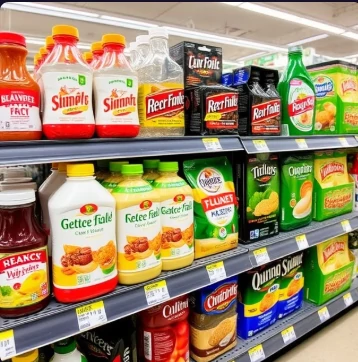
Retailers can sell products under their own brand name even when those products are made by other manufacturers. Private-label goods are those products. They typically sit beside national brands on the shelf and compete on price, quality, or both. The retailer controls the branding, packaging, and sometimes the specifications.
Private label allows retailers to capture more margin, differentiate their assortment, and build loyalty to the store rather than to a manufacturer’s brand. Quality has risen in many categories; some private-label lines now compete at premium as well as value price points. Manufacturers may produce private-label goods for retailers while also selling their own branded versions.
The strategy works best when the retailer has sufficient volume and customer trust. It requires capabilities in product development, quality control, and supply-chain management. For consumers, private label expands choice and often lowers prices. For the retail industry it has become a central element of competitive strategy.
Comments
No comments yet. Be the first to share a thought.
Leave a comment