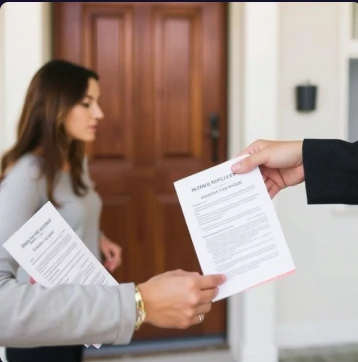
A tenant stops paying rent and refuses to leave. The landlord follows the legal process to regain possession. That process is eviction. Self-help measures such as changing locks or shutting off utilities are illegal in most places.
Eviction begins with proper notice, followed by a court filing if the tenant does not comply. The tenant has the opportunity to respond. If the court rules for the landlord, law enforcement may be required to remove the tenant and belongings. Timelines and required notices vary widely by jurisdiction.
Landlords must document the reasons and follow every procedural step. Tenants facing eviction may have defenses or access to legal aid. The process is often slow and costly for both sides. Prevention through careful screening and clear communication remains preferable to formal eviction.
A completed eviction returns the property to the landlord’s control, but it rarely feels like a victory for anyone involved.
Comments
No comments yet. Be the first to share a thought.
Leave a comment