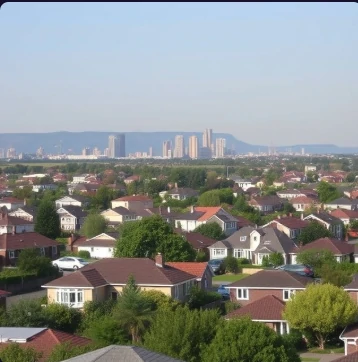
A house bought for $300,000 five years ago now sells for $420,000. That increase is appreciation. Property values rise when demand outpaces supply, neighborhoods improve, or broader economic conditions lift the market.
Appreciation can be driven by inflation, job growth, new infrastructure, or simply limited land in desirable areas. It is not guaranteed; markets also experience periods of flat or declining values. Investors track historical appreciation rates when projecting long-term returns, yet past performance never promises future results.
Forced appreciation occurs when an owner renovates or repositions a property to raise its value faster than the market. Unrealized appreciation remains on paper until the property is sold or refinanced. For many homeowners, appreciation forms the largest component of their net worth over decades.
Location and timing still dominate most appreciation stories.
Comments
No comments yet. Be the first to share a thought.
Leave a comment