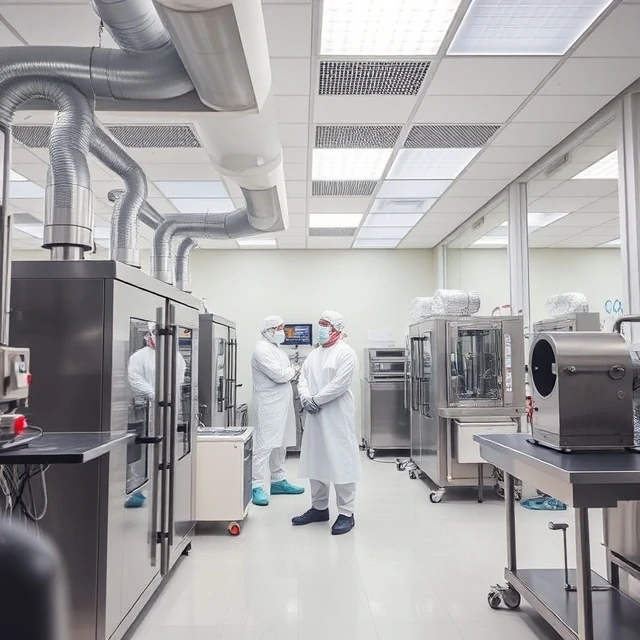
A drug that is safe in a clinical trial can still harm patients if it is made badly. Good Manufacturing Practice is the set of regulations that ensures pharmaceuticals are produced consistently, at the right quality, batch after batch. It covers everything from the design of the factory to the training of the people who work there, from the purity of raw materials to the labeling of the final product. Regulators inspect facilities to confirm compliance, and a failed inspection can shut down production.
GMP requirements are detailed and prescriptive. Cleanrooms must maintain specific air quality standards. Equipment must be cleaned and validated between batches. Every step of production must be documented so that a batch can be traced from raw material to finished product. Deviations must be investigated and corrective actions taken. The rules are harmonized internationally through the World Health Organization and the International Council for Harmonisation, though enforcement remains national. A company that makes drugs for the US market must meet FDA standards, regardless of where the factory is located.
Core areas:
- Facilities. Cleanrooms, controlled environments, and proper airflow.
- Equipment. Calibrated, validated, and maintained.
- Personnel. Trained, qualified, and following written procedures.
- Documentation. Batch records, deviation reports, and change controls.
- Quality control. Testing of raw materials and finished products.
GMP violations are a common reason for drug recalls and import bans.
Comments
No comments yet. Be the first to share a thought.
Leave a comment