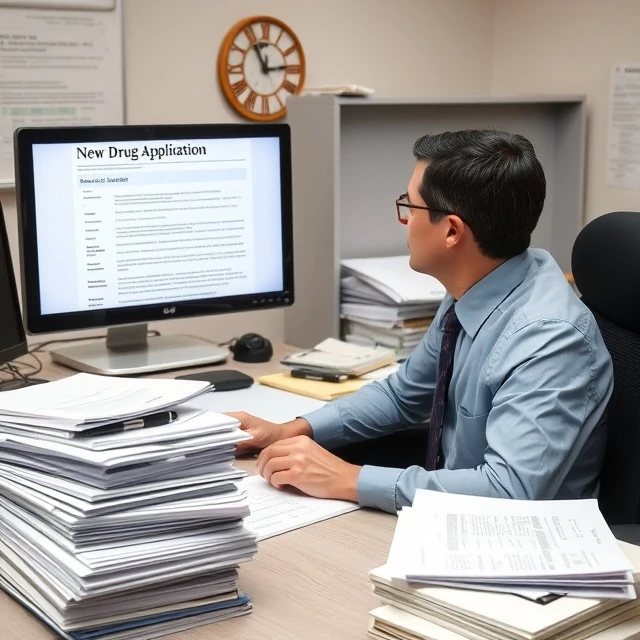
No drug reaches the market without a regulator's sign-off. In the United States, that regulator is the FDA. In the European Union, it is the EMA. The approval process is designed to answer one question: do the benefits outweigh the risks for the intended population? The answer requires years of testing, thousands of pages of documentation, and a review that can take six months to a year or more.
The path usually starts with preclinical studies in cells and animals. If the drug looks promising and safe enough, the company files an investigational new drug application and begins clinical trials. Phase I, II, and III trials follow, each larger and more expensive. If the results support approval, the company submits a new drug application or a biologics license application. Regulators review the data, inspect manufacturing facilities, and may convene an advisory committee of outside experts. The final decision can be approval, rejection, or approval with conditions, such as requiring additional post-marketing studies.
Key steps:
- Preclinical. Laboratory and animal testing.
- Clinical trials. Phase I, II, and III in humans.
- Submission. New drug application or biologics license application.
- Review. Regulatory assessment, often with advisory committee input.
- Post-marketing. Phase IV surveillance and label updates.
Accelerated pathways exist for serious conditions with unmet need, allowing approval based on surrogate endpoints with confirmatory studies required later.
Comments
No comments yet. Be the first to share a thought.
Leave a comment