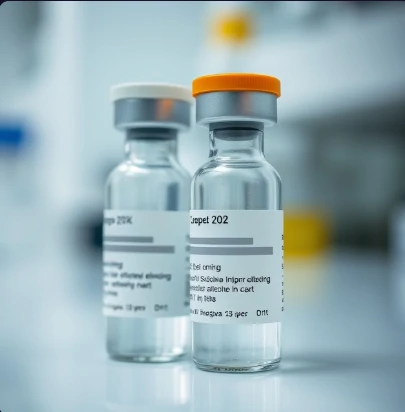
A biosimilar is not a generic. Generics are copies of small-molecule drugs, identical to the original at the molecular level. Biosimilars are copies of biologics, which are large proteins made by living cells. You cannot make an exact copy of a protein produced by a cell line, any more than you can make an exact copy of a sourdough starter. What you can do is make something highly similar, with no clinically meaningful differences in safety, purity, or potency.
Regulators require extensive comparability studies. The biosimilar must match the reference product in structure, function, and clinical performance. That means analytical testing, animal studies, and often a clinical trial in patients. The bar is high, which is why biosimilars take years and hundreds of millions of dollars to develop. The payoff is competition. When a biosimilar enters the market, prices for the reference product often fall.
What to know:
- Not identical. Highly similar, with minor differences in glycosylation or other modifications.
- Interchangeable. Some regulators grant an interchangeability designation, allowing substitution at the pharmacy without a new prescription.
- Cost. Usually priced 15 to 35 percent below the reference product.
- Naming. Each biosimilar gets a unique suffix to support pharmacovigilance.
Adalimumab biosimilars, for example, have brought down the cost of treating rheumatoid arthritis and Crohn's disease.
Comments
No comments yet. Be the first to share a thought.
Leave a comment