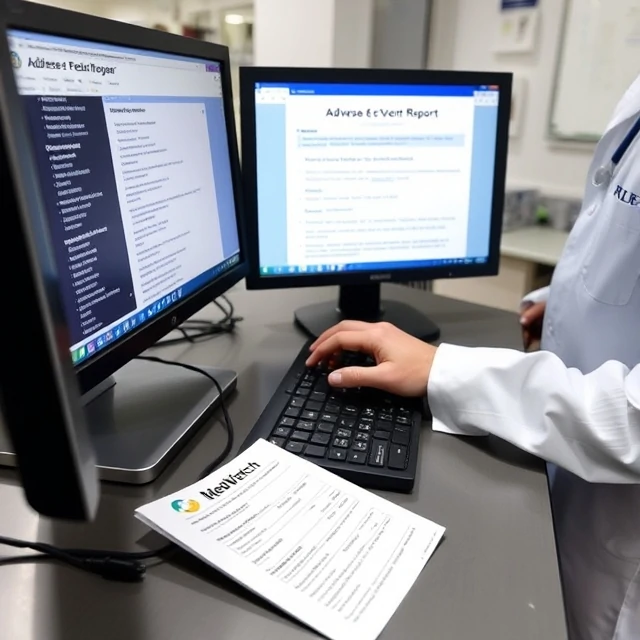
Clinical trials enroll a few thousand people. Once a drug reaches the market, millions take it, often alongside other medications and with conditions the trials excluded. That gap is why adverse event reporting exists. Regulators, manufacturers, and clinicians collect accounts of harmful effects that appear after a drug is used, then look for patterns that trials could not catch.
The system is voluntary in many countries and mandatory in others. In the United States, the FDA's MedWatch program accepts reports from health professionals and patients. In the European Union, the EudraVigilance database collects cases from member states. Manufacturers must forward any serious report they receive within tight deadlines, often 15 days.
What counts as serious is defined, not left to intuition:
- Death or a life-threatening event
- Hospitalization or prolonged hospital stay
- Persistent or significant disability
- Congenital anomaly
- Any event requiring intervention to prevent permanent impairment
One report rarely proves causation. A hundred similar reports may signal something real. The work of turning scattered cases into a safety signal is called pharmacovigilance, and it is one of the main ways a drug's label gets updated after approval.
Comments
No comments yet. Be the first to share a thought.
Leave a comment