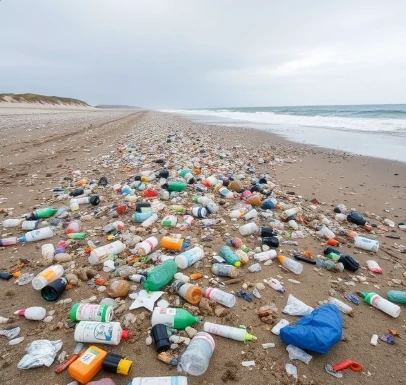
Any persistent solid material manufactured or processed by humans and discarded into the marine environment is marine debris. Plastic items dominate because of their durability and low density, but metal, glass, rubber, and abandoned fishing gear also contribute.
Debris enters the ocean from land-based sources via rivers and storm drains, and from maritime activities including fishing and shipping. It can entangle animals, be ingested, transport invasive species, and damage habitats. Microplastics formed by the breakdown of larger items are now found throughout the water column and in deep-sea sediments.
Cleanup efforts range from beach volunteers to experimental open-ocean collection systems. Source reduction—better waste management, redesigned products, and retrieval of derelict fishing gear—is widely regarded as more effective than cleanup alone. International agreements and national laws increasingly target marine debris, yet the scale of existing pollution means the problem will persist for decades even if new inputs stop tomorrow.
- Human-made solid waste in the ocean
- Dominated by plastics
- Harms wildlife through entanglement and ingestion
- Best addressed by preventing entry into the sea
Comments
No comments yet. Be the first to share a thought.
Leave a comment