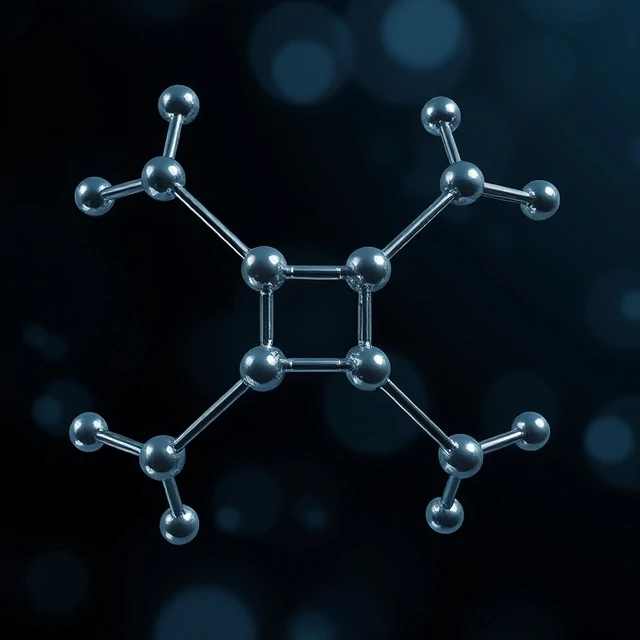
Ethene is a gas. Polyethylene is a plastic bag. The difference is polymerization. Ethene is a monomer, a small molecule that can bond to other monomers to form a polymer. The word comes from the Greek monos meaning single and meros meaning part. Monomers are the building blocks of plastics, proteins, and nucleic acids.
Monomers have at least one functional group that allows them to react with other monomers. Alkenes polymerize through addition, where the double bond opens and links to another monomer. Amino acids polymerize through condensation, where a water molecule is released and a peptide bond forms. Nucleotides polymerize to form DNA and RNA. Sugars polymerize to form starch and cellulose. The type of monomer determines the type of polymer.
The properties of a polymer depend on the monomer, the chain length, and the branching. Polyethylene is flexible and tough. Polystyrene is rigid and transparent. Nylon is strong and elastic. Each polymer has its own applications. By choosing different monomers and controlling the polymerization conditions, chemists can design materials with specific properties.
Monomers are also used in organic synthesis. They can be functionalized, copolymerized, and cross-linked to create materials with tailored properties. The monomer is the starting point. The polymer is the product.
Comments
No comments yet. Be the first to share a thought.
Leave a comment