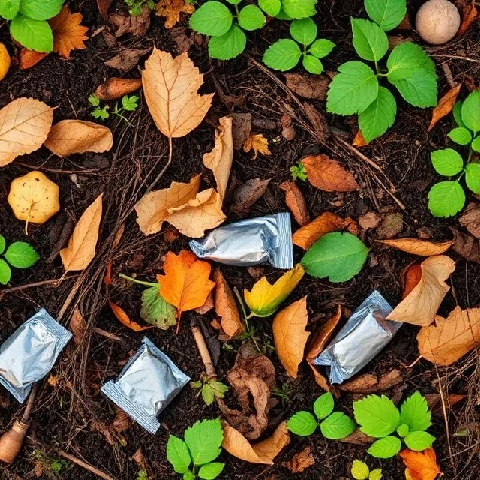
A leaf falls, and fungi and bacteria break it down into soil. That is biodegradation. A material is biodegradable if living organisms can break it down into natural substances like water, carbon dioxide, and biomass. The process depends on the material, the environment, and the microbes present. A banana peel biodegrades in weeks. A cornstarch fork may take months in an industrial composter but years in a landfill.
The label biodegradable is often misunderstood. It does not mean a product will disappear in your backyard. Most biodegradable plastics require specific conditions: high temperature, moisture, and microbial activity. Landfills are designed to bury waste, not decompose it. Without oxygen and water, even biodegradable materials can persist for decades.
Compostable is a stricter standard. A compostable material must break down into non-toxic components within a specified time under composting conditions. Certification programs like BPI in the United States and OK Compost in Europe verify the claims. Biodegradable is the broader category. Compostable is the more rigorous one.
Biodegradability is not a license to consume. A biodegradable bag still requires resources to make and still takes up space in a landfill if not properly processed. The best option is to reduce and reuse first, then recycle, and treat biodegradability as a last resort.
Comments
No comments yet. Be the first to share a thought.
Leave a comment