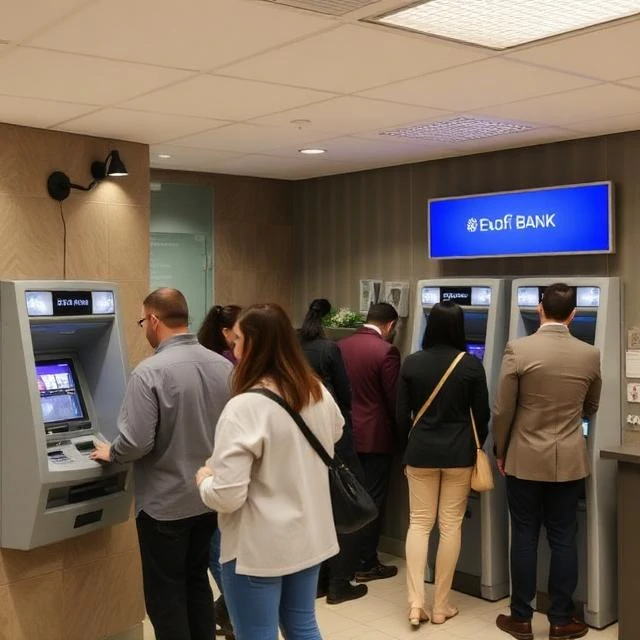
Retail banking serves individual consumers and small businesses. It is the banking you see every day: checking accounts, savings accounts, debit cards, credit cards, mortgages, auto loans, and personal loans. It operates through branches, ATMs, call centers, and mobile apps. It is high-volume, low-margin, and heavily regulated.
The business model is built on scale. A bank needs millions of customers to cover the cost of branches, technology, and compliance. The largest retail banks, like Chase, Bank of America, and Wells Fargo, have tens of millions of customers. They make money on the spread between deposit rates and loan rates, plus fees for services. Deposit accounts are the foundation. They provide cheap funding for loans.
Retail banking is competitive. Credit unions offer lower fees and better rates to members. Online banks offer high savings rates and no branch overhead. Fintech companies offer niche products, like fee-free checking or instant transfers. Traditional banks have responded by improving their apps, cutting fees, and offering early direct deposit. The competition has benefited consumers, though fees remain a sore point.
Retail banking is changing. Branches are closing. Mobile is dominant. Cash use is declining. But the core products, deposits and loans, are not going away. People still need a safe place to keep money and a way to borrow for a home or a car.
Comments
No comments yet. Be the first to share a thought.
Leave a comment