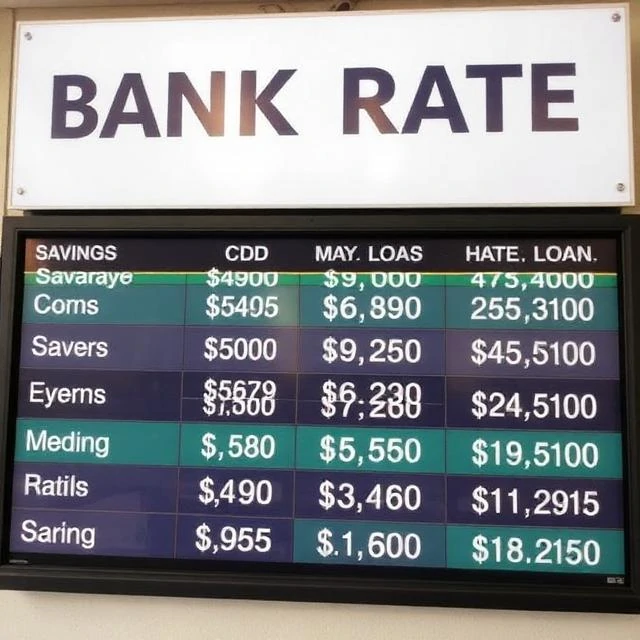
An interest rate is a percentage charged or paid for the use of money over time. It is expressed as an annual percentage, even when the term is shorter. A 5 percent annual rate on a one-year loan means you pay $5 for every $100 borrowed. On a six-month loan, you pay about $2.50. The rate is the price, and the term is the duration.
Rates come in many varieties. The nominal rate is the stated rate. The real rate subtracts inflation. If a loan charges 6 percent and inflation is 3 percent, the real rate is 3 percent. The effective rate accounts for compounding. A card with a 20 percent nominal rate compounded daily has an effective annual rate of about 22 percent. The annual percentage rate, or APR, includes fees and is meant to show the true cost of borrowing. The annual percentage yield, or APY, shows what a deposit actually earns.
Rates are set by supply and demand in credit markets, influenced heavily by central banks. The Federal Reserve sets a target for the federal funds rate, which anchors short-term rates throughout the economy. Long-term rates, like mortgage rates, depend on inflation expectations, economic growth, and government borrowing.
A small change in rates has a large effect. A one-point increase on a $300,000 mortgage adds about $200 a month. That is why the Fed's decisions dominate financial news.
Comments (2)
Leave a comment