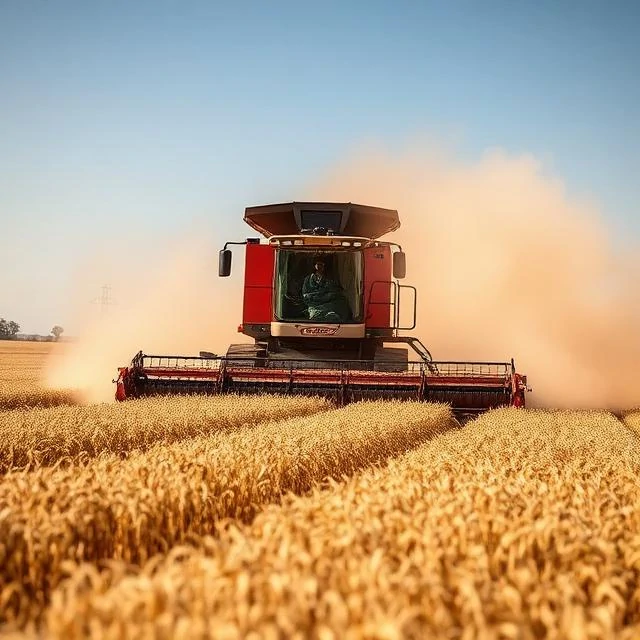
Grain does not come off the stalk by itself. Threshing loosens the edible seed from the plant material that holds it, separating wheat from chaff, rice from husk, and corn from cob. The process has been done by hand, by animals, and by machine.
Traditional threshing used flails or trampling animals. Mechanized threshing arrived in the 18th century and eventually merged with reaping to produce the combine harvester. Modern machines do the whole job in the field, cutting, threshing, and cleaning grain in one pass.
Key threshing outcomes
- Grain separated from stalks and husks
- Straw collected for bedding or feed
- Chaff removed by winnowing or fans
- Clean grain ready for storage or milling
Threshing too hard cracks grain and lowers quality. Too gentle and seed stays attached to the plant. Operators adjust drum speed and clearance to match the crop and its moisture content.
Comments
No comments yet. Be the first to share a thought.
Leave a comment