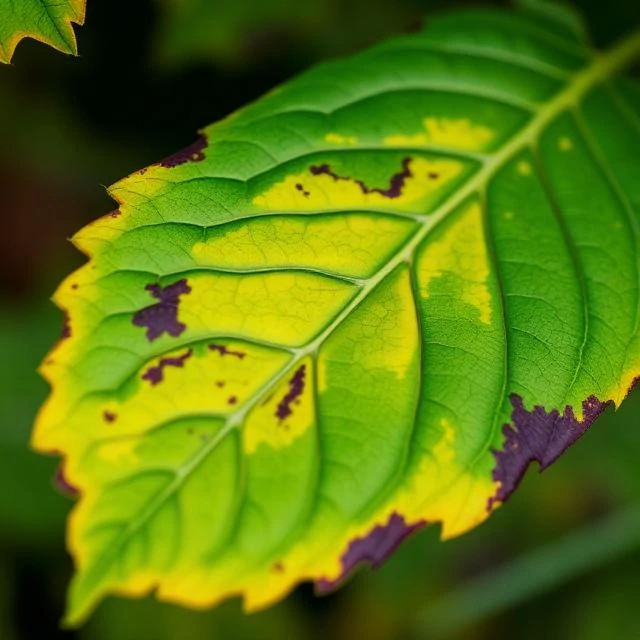
Potassium is the third of the big three plant nutrients, after nitrogen and phosphorus. It does not build tissue the way nitrogen does. Instead, it regulates water movement, enzyme activity, and the opening and closing of stomata. A plant short on potassium is weak-stemmed, prone to disease, and produces poor-quality fruit.
The element is mined from potash deposits, mostly in Canada, Russia, and Belarus. It is applied as potassium chloride, potassium sulphate, or potassium nitrate, depending on the crop and soil. Sandy soils lose potassium more easily than clay, and heavy cropping removes a lot of it each year.
What potassium does
- Regulates water and nutrient movement in the plant
- Strengthens stems and improves lodging resistance
- Improves fruit colour, flavour, and shelf life
- Boosts tolerance to drought, frost, and disease
Deficiency shows up first on older leaves, which yellow at the edges and then brown. Toxicity is rare in soil but can occur in greenhouses with recycled nutrient solutions.
Comments
No comments yet. Be the first to share a thought.
Leave a comment