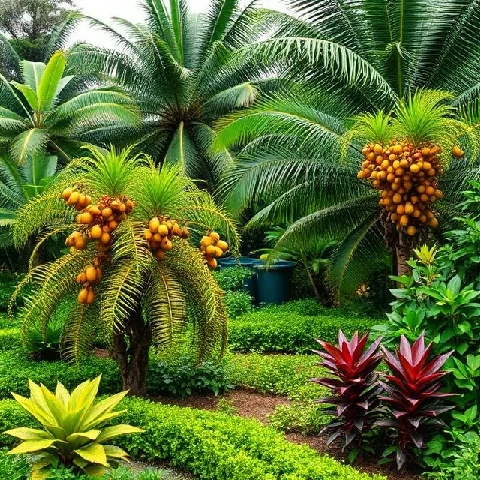
Polyculture is the opposite of monoculture. Instead of one crop over a large area, several species grow together in the same field. The combinations can be simple, like maize and beans, or complex, like a tropical home garden with dozens of species layered from canopy to ground.
Traditional farming systems around the world are mostly polycultures. The Milpa of Mesoamerica, the rice-fish systems of China, and the home gardens of Java all pack multiple species into a small space. Each plant uses a different niche, and pests have a harder time finding their host when it is surrounded by other species.
Why farmers use it
- Spreads risk across multiple crops
- Uses light, water, and soil more efficiently
- Reduces pest and disease pressure
- Improves soil cover and reduces erosion
Polyculture is harder to mechanise. Harvesting is fiddly, and chemicals that target one crop may harm another. That is why it dominates on small farms and struggles on large ones, though strip cropping and relay intercropping are finding a place in industrial systems.
Comments
No comments yet. Be the first to share a thought.
Leave a comment