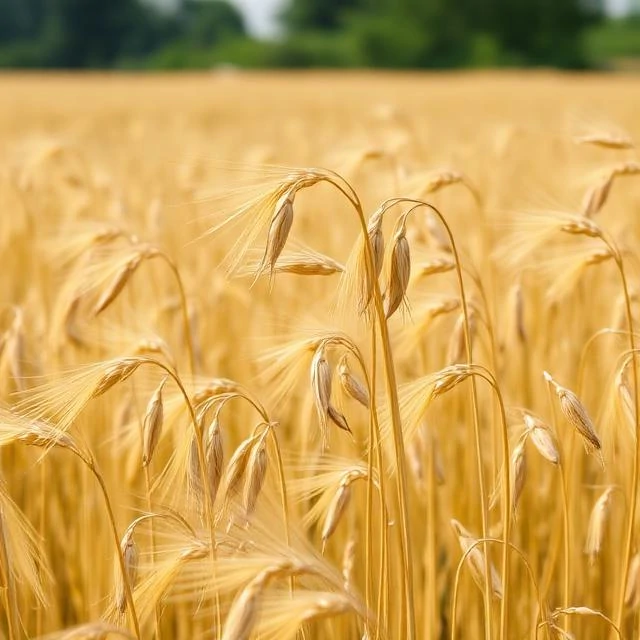
Oats are a cereal grain grown in cool, moist climates where wheat and barley struggle. The plant, Avena sativa, was domesticated in Europe several thousand years ago, probably as a weed that followed wheat and barley before farmers recognised its value.
Russia, Canada, Poland, and Finland lead production. In the United States, oats were once a major feed crop for horses, and their decline tracks the decline of horse-powered farming. Today most oats go to livestock feed, with a smaller share to human food as rolled oats, steel-cut oats, and oat flour.
Why growers still plant them
- Tolerate acidic, poorly drained soils
- Useful as a cover crop and nurse crop for legumes
- High in beta-glucan, a soluble fibre linked to heart health
- Provide good straw for bedding and fodder
Oats are also gluten-free in the strict sense, though they are often processed alongside wheat and can be cross-contaminated. Certified gluten-free oats are grown and milled under strict separation.
Comments
No comments yet. Be the first to share a thought.
Leave a comment