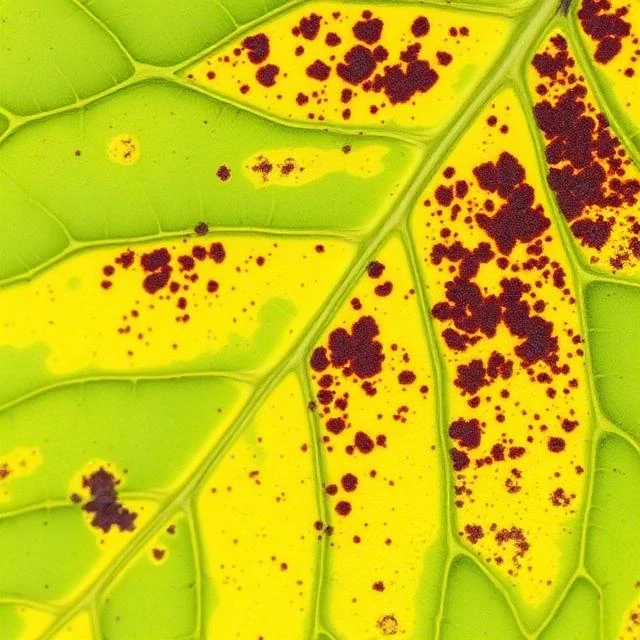
NPK stands for nitrogen, phosphorus, and potassium, the three nutrients plants need in the largest amounts. A fertiliser bag marked 10-10-10 contains 10 percent of each by weight. A 20-5-10 has more nitrogen, less phosphorus.
The ratio matters because crops have different appetites. Leafy greens want nitrogen. Root crops and flowering plants want phosphorus. Potassium supports overall vigor, disease resistance, and fruit quality. A soil test is the only reliable way to know what a particular field actually needs, and guessing leads to waste or deficiency.
What each nutrient does
- Nitrogen: leaf and stem growth, protein formation
- Phosphorus: root development, flowering, energy transfer
- Potassium: water regulation, disease resistance, fruit quality
NPK fertilisers are simple to use but incomplete. They leave out calcium, magnesium, sulphur, and micronutrients that some soils lack. Blended fertilisers and soil amendments fill those gaps, and organic sources like manure and compost supply a broader range of nutrients at lower concentration.
Comments
No comments yet. Be the first to share a thought.
Leave a comment