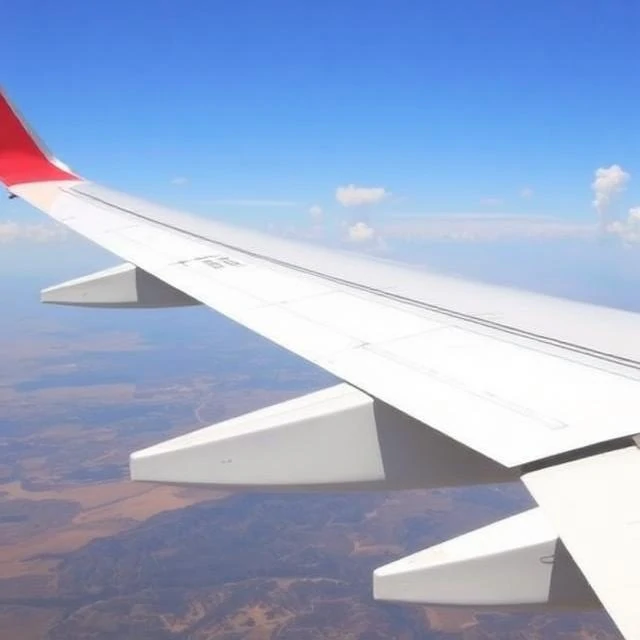
Wings sized for cruise are too small for slow landings. Flaps solve the problem by extending from the trailing edge during takeoff and approach, increasing both the wing area and its curvature. More lift at lower speeds, which is exactly what the landing phase needs.
They also add drag, which helps on approach by allowing steeper descents without gaining speed. Pilots select flap settings in stages, each one matched to a specific phase and speed.
Common flap types
- Plain flaps, simple hinged surfaces
- Split flaps, lower surface only
- Slotted flaps, improving airflow over the surface
- Fowler flaps, extending backward and downward for maximum lift
Asymmetric flap extension is dangerous. If one side deploys and the other does not, the aircraft rolls sharply. Mechanical interlocks and pre-flight checks reduce the risk.
Comments
No comments yet. Be the first to share a thought.
Leave a comment