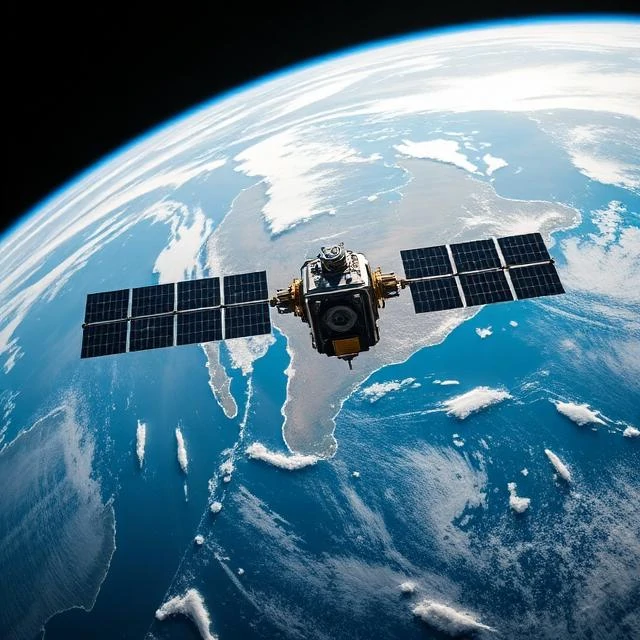
Sputnik 1 opened the era in 1957. Since then, humans have placed thousands of objects into orbit around Earth and other bodies. An artificial satellite is any human-made object placed into orbit, and it serves one of a handful of purposes.
Communications satellites relay signals across continents. Navigation satellites provide positioning data. Weather satellites watch cloud patterns. Earth observation satellites monitor crops, forests, and cities. Scientific satellites study the universe or the space environment.
Orbit choices
- Low Earth orbit for imaging and human spaceflight
- Geostationary orbit for communications and weather
- Polar orbit for global coverage over time
- Highly elliptical orbits for regional coverage
Satellites fail. Fuel runs out, components degrade, and orbits decay. Most are left to burn up or drift, though active debris removal is slowly becoming a reality.
Comments
No comments yet. Be the first to share a thought.
Leave a comment