Telerobotics controls robots over communication networks. The operator and the robot are in different places. The link might be a cable, a radio, or the internet. Telerobotics extends teleoperation to long distances and shared control. It is how a surgeon in New York can operate on a patient in another city. It is how a scientist in California can control a rover in Antarctica.
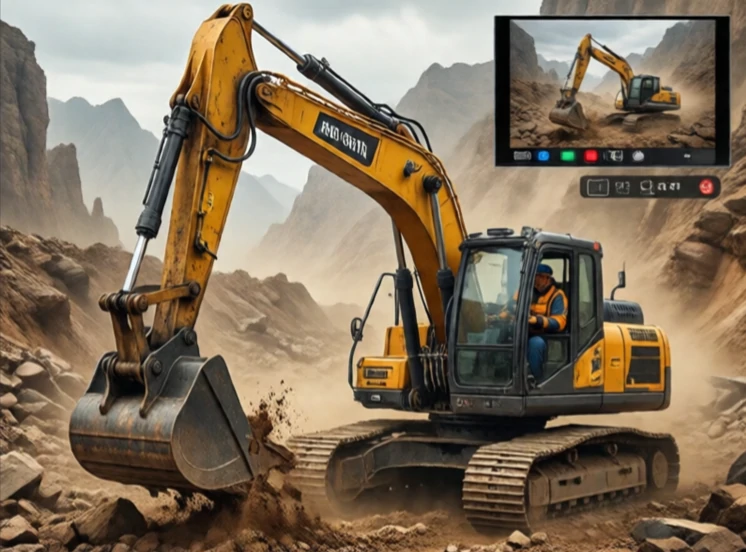
The field grew out of space and nuclear research. NASA developed telerobotic systems for satellite repair. The nuclear industry used them to handle radioactive material. Today, telerobotics is used in healthcare, mining, agriculture, and education. A remote-controlled excavator can work in a hazardous site while the operator sits in a safe cabin miles away.
Telerobotics considerations
- Network latency: delays disrupt control.
- Packet loss: dropped data causes jerky motion.
- Security: remote control links can be hacked.
- Shared control: robot and human divide tasks.
- User interface: making remote operation intuitive.
The internet is not designed for real-time control. Latency varies. Packets arrive out of order. That makes high-precision telerobotics over the internet difficult. Some systems use predictive displays, showing the operator where the robot will be, not where it was. Others use shared control, where the robot handles low-level tasks and the human handles high-level decisions. A remote excavator might handle boom damping automatically while the operator controls the bucket. Telerobotics is not just teleoperation over a distance. It is a design problem: how to divide labor between human and machine when they are far apart. The answer depends on the task, the network, and the consequences of failure.
Comments
No comments yet. Be the first to share a thought.
Leave a comment