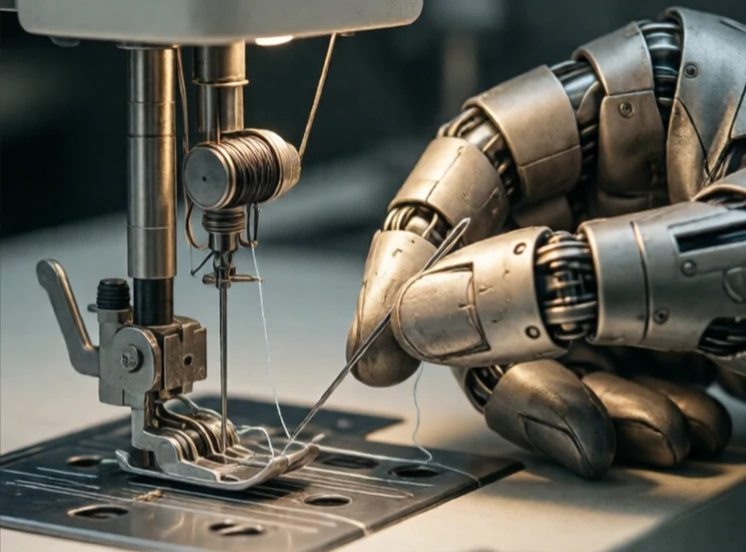
Dexterity is the skill and precision of a robot's movements. It is what separates a robot that can pick up a block from one that can tie a knot, thread a needle, or assemble a watch. Dexterity combines fine motor control, force sensing, and sensory feedback.
Human hands are the gold standard. They have 27 bones, dozens of muscles, and thousands of tactile sensors. Robot hands are simpler but improving. The Shadow Dexterous Hand has 24 joints and tactile sensors in its fingertips. OpenAI trained a robot hand to solve a Rubik's cube using reinforcement learning. These are research milestones, not consumer products. Most factory robots still use simple two-finger grippers.
What dexterity requires
- Many degrees of freedom in the hand.
- Force and tactile sensing.
- Precise control algorithms.
- Vision to guide manipulation.
- Learning to adapt to new objects.
Dexterity is hard because contact is complex. When a robot finger touches an object, the contact point, force direction, and friction all matter. The robot must adjust in real time. Humans do this unconsciously. Robots need models, sensors, and fast control loops. The payoff is huge. A dexterous robot could harvest fruit without bruising it, sort recycling, or perform surgery with superhuman steadiness. For now, dexterity remains one of the grand challenges of robotics, and one of the most active areas of research.
Comments
No comments yet. Be the first to share a thought.
Leave a comment