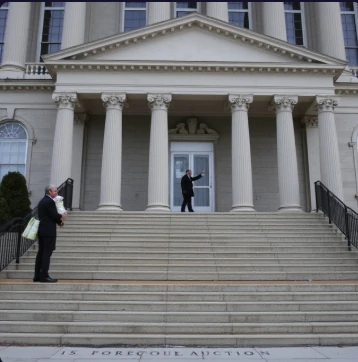
A borrower falls far behind on mortgage payments and the lender enforces its security interest. The legal process that follows is foreclosure. It can end with the property being sold at auction or taken back by the lender.
Procedures differ by state. Some require judicial foreclosure through the courts; others allow non-judicial foreclosure under a power of sale. Borrowers typically receive notices and opportunities to reinstate the loan or pursue alternatives such as short sale or deed in lieu. Once the process completes, the former owner’s rights are extinguished.
Foreclosure damages credit and can follow a person for years. Lenders prefer to avoid it because the process is expensive and the recovered amount often falls short of the debt. Loss-mitigation programs exist to keep borrowers in their homes when possible. For investors, foreclosed properties sometimes appear as bank-owned listings after the auction fails to produce an adequate bid.
Foreclosure is the sharp edge of the mortgage contract.
Comments
No comments yet. Be the first to share a thought.
Leave a comment