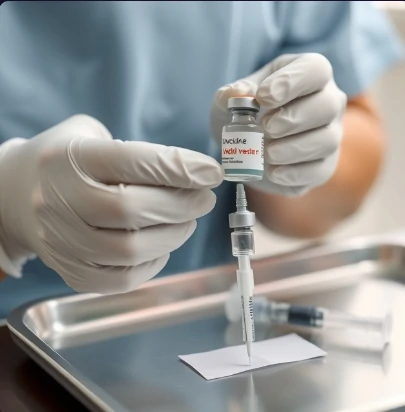
A vaccine trains the immune system to recognize a pathogen before it ever encounters the real thing. It presents a harmless version of the pathogen, or a piece of it, or instructions for making a piece of it, and the immune system responds by producing antibodies and memory cells. If the real pathogen shows up later, the immune system recognizes it and mounts a fast, strong response. The result is immunity without the disease.
Vaccines come in several types. Live attenuated vaccines use a weakened form of the pathogen, like measles and yellow fever vaccines. Inactivated vaccines use a killed pathogen, like the flu shot. Subunit vaccines use a protein or sugar from the pathogen, like the hepatitis B vaccine. mRNA vaccines deliver genetic instructions that tell cells to make a viral protein, which the immune system then targets. Viral vector vaccines use a harmless virus to deliver similar instructions. Each type has advantages and limitations.
What vaccines do:
- Prevent disease. Reduce the risk of infection and severe illness.
- Protect others. Herd immunity reduces spread to those who cannot be vaccinated.
- Eradicate disease. Smallpox is gone. Polio is close.
- Reduce antimicrobial resistance. Fewer infections mean less antibiotic use.
Vaccines are held to high safety standards. Adverse events are monitored through systems like VAERS in the US and EudraVigilance in the EU.
Comments
No comments yet. Be the first to share a thought.
Leave a comment