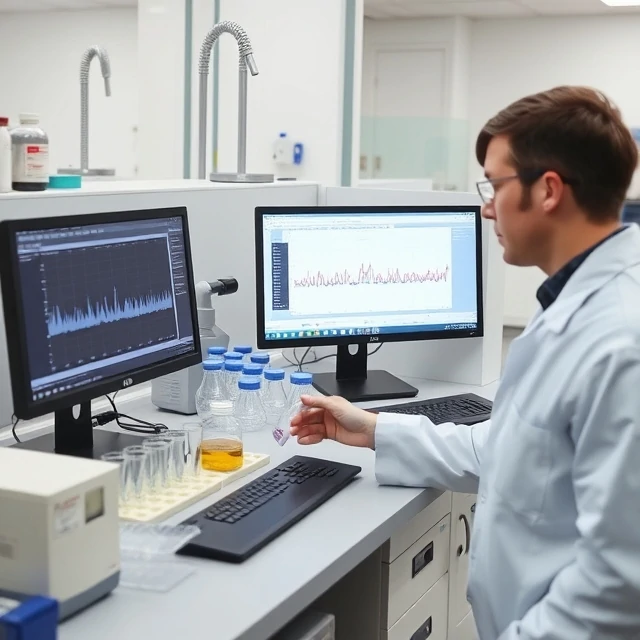
Quality control is the testing side of quality. It takes samples of raw materials, in-process materials, and finished products and checks them against specifications. If a batch fails, it is rejected. QC is reactive in the sense that it detects problems after they occur, but it is essential. Without it, defective products could reach patients.
In pharmaceutical manufacturing, QC laboratories test for identity, strength, purity, and dissolution. They use methods like high-performance liquid chromatography, mass spectrometry, and microbiological assays. Each method must be validated to ensure it is accurate and reliable. QC also monitors environmental conditions in cleanrooms, testing air and surfaces for microbial contamination. Stability testing is part of QC, confirming that a drug remains within specifications throughout its shelf life. When a batch fails, an investigation determines the cause, and corrective actions are taken.
What QC tests:
- Identity. Is the correct active ingredient present?
- Strength. Is the dose within specification?
- Purity. Are there impurities above allowed limits?
- Dissolution. Does the drug dissolve at the expected rate?
- Stability. Does the drug remain within specifications over time?
QC and QA together form the quality system. QC finds problems; QA prevents them.
Comments (3)
Leave a comment