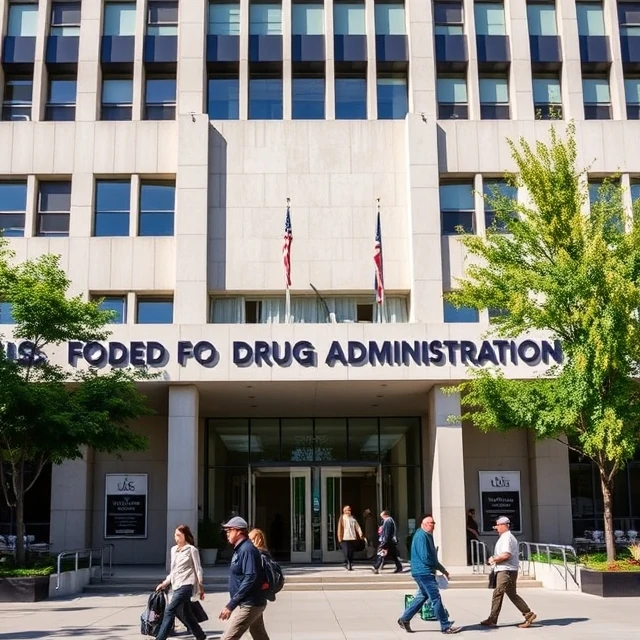
The US Food and Drug Administration decides what medicines Americans can buy. It reviews new drug applications, inspects manufacturing plants, monitors side effects after approval, and sets standards for food, cosmetics, and medical devices. The agency employs thousands of scientists, doctors, and inspectors, and its decisions shape the global pharmaceutical market.
Drug approval is the FDA's most visible role. A company submits a new drug application with data from preclinical studies and clinical trials. Reviewers assess whether the benefits outweigh the risks. An advisory committee of outside experts may weigh in, though the FDA is not bound by its recommendations. The agency can approve, reject, or require additional studies. Accelerated approval pathways allow earlier approval for serious conditions with unmet need, but require confirmatory trials afterward. The FDA also regulates generics, biosimilars, and over-the-counter products, each with its own pathway.
Key functions:
- Drug approval. Reviews new drug applications and biologics license applications.
- Safety monitoring. Runs MedWatch and the Sentinel system for post-market surveillance.
- Manufacturing oversight. Inspects facilities for good manufacturing practice compliance.
- Labeling. Approves prescribing information and patient labels.
- Enforcement. Recalls, warning letters, and import alerts.
The FDA's decisions are public, and its review documents are often published online for anyone to read.
Comments
No comments yet. Be the first to share a thought.
Leave a comment