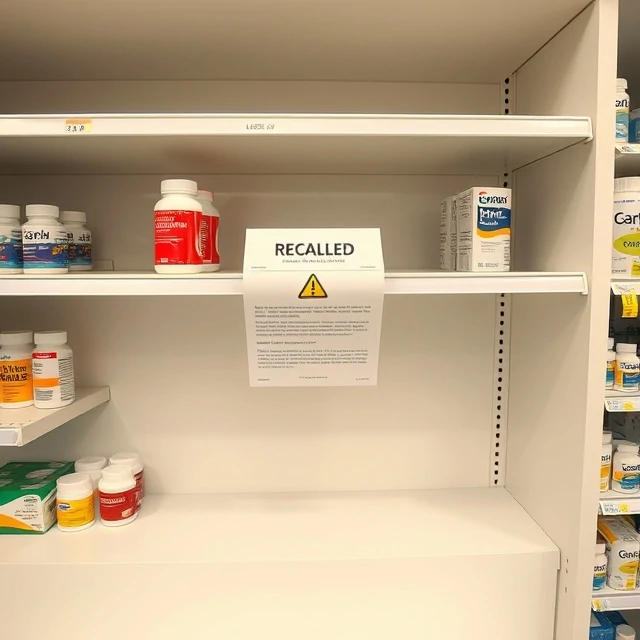
A batch of pills leaves the factory with a defect. Maybe the dose is wrong. Maybe the drug has degraded. Maybe a contaminant slipped in. When a product poses a risk to patients, the manufacturer or a regulator pulls it from the market. That is a drug recall, and it can range from a voluntary action by the company to a mandatory order from a regulatory authority.
Recalls are classified by severity. In the United States, the FDA uses three classes. Class I is the most serious: the product could cause serious harm or death. Class II is for products that might cause temporary or reversible harm. Class III is for products unlikely to cause harm but that violate regulations, such as a labeling error. The recall process involves notifying distributors, pharmacies, and patients, and arranging for the return or destruction of the product. The company must also investigate the cause and submit a corrective action plan.
What triggers a recall:
- Contamination. Bacterial, chemical, or particulate matter.
- Wrong dose. Superpotent or subpotent tablets.
- Labeling errors. Wrong instructions or wrong drug name.
- Stability failures. Drug degrades before the expiration date.
- Packaging defects. Leaks, cracks, or compromised seals.
Patients who have a recalled medication should check the lot number and return it to the pharmacy. Most recalls are not emergencies, but some are.
Comments
No comments yet. Be the first to share a thought.
Leave a comment