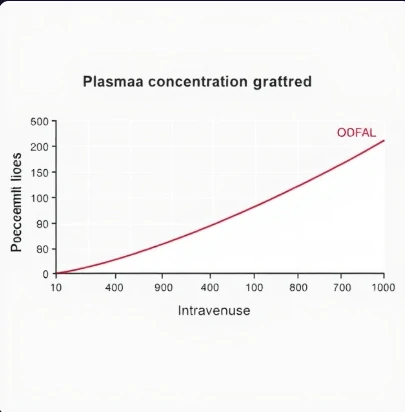
Two drugs can contain the same active ingredient and deliver very different amounts to the bloodstream. Bioavailability is the fraction of a dose that reaches systemic circulation in active form. For an intravenous drug, that fraction is 100 percent by definition. For an oral tablet, it might be 20 percent, or 80, or somewhere in between.
What happens between swallowing and circulation? The drug must dissolve, survive stomach acid, cross the gut wall, and dodge first-pass metabolism in the liver. Each step can cut into the total. A drug with low bioavailability needs a larger oral dose to achieve the same effect as an IV dose, which is why some medications are only given by injection. Food can help or hurt. A fatty meal increases the bioavailability of some drugs by slowing stomach emptying; it decreases it for others by binding the drug or changing pH.
Why it matters:
- Dosing. Low bioavailability means higher oral doses.
- Generic equivalence. Regulators require generic drugs to match the bioavailability of the brand within strict limits.
- Formulation. Nanoparticles, salts, and prodrugs are strategies to improve it.
- Food effects. Some drugs must be taken with food; others on an empty stomach.
Bioavailability is measured by comparing the plasma concentration curve of an oral dose to that of an IV dose, a study called absolute bioavailability.
Comments
No comments yet. Be the first to share a thought.
Leave a comment