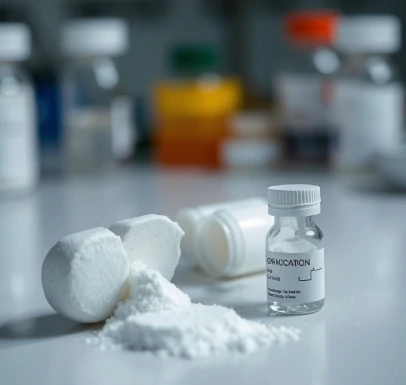
Read the label on a box of ibuprofen and you will see two names. One is the brand, the other is the active ingredient, usually the chemical name in smaller print. That second name is the part that actually does the work. Everything else in the tablet, the fillers, binders, and coatings, exists to carry it, protect it, or help it dissolve at the right moment.
The distinction is not trivial. A 200 mg tablet of ibuprofen contains 200 mg of the active ingredient, but the pill itself weighs more. The extra mass is excipients. Two products with the same active ingredient can behave differently if their excipients differ, which is why a generic and a brand-name drug are not always interchangeable in practice, even when regulators say they are.
Why it matters in practice
- Dosing. Every dose instruction refers to the active ingredient, not the total tablet weight.
- Allergy and intolerance. Some reactions come from excipients like lactose or dyes, not the drug itself.
- Generic equivalence. Regulators require the same active ingredient, same strength, same route, and demonstrated bioequivalence.
- Combination products. A single tablet may hold two or more active ingredients, each with its own dose.
Pharmacists call the active ingredient the API, short for active pharmaceutical ingredient. That abbreviation shows up on manufacturing documents and shipping manifests around the world.
Comments
No comments yet. Be the first to share a thought.
Leave a comment