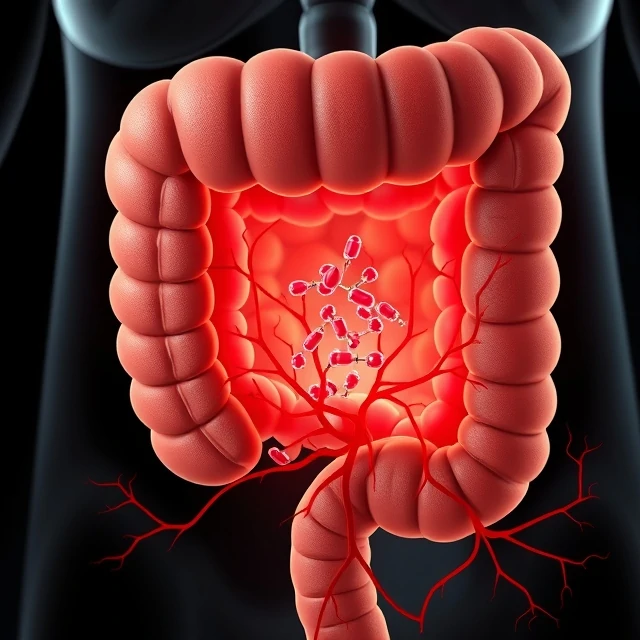
Swallow a tablet and the clock starts. Before that drug can do anything useful, it has to cross a series of cellular barriers and reach the bloodstream. That journey is absorption, and for most pills it happens largely in the small intestine, whose folded surface is built for exactly this kind of transfer.
The route matters. A drug taken orally must survive stomach acid, pass through the gut wall, and then run a gauntlet of liver enzymes before it ever reaches the heart. This first-pass effect can wipe out most of a dose. Give the same drug intravenously and absorption is skipped entirely, which is why IV drugs act within seconds and oral ones take thirty minutes or more.
Several factors shape how much drug actually gets in:
- Solubility. A compound must dissolve before it can be absorbed. Poorly soluble drugs are often formulated as salts or nanoparticles.
- Blood flow. A well-perfused gut absorbs faster than a sluggish one.
- Food and pH. A fatty meal or an antacid can change dissolution and transit time.
- Transporters. Proteins like P-glycoprotein pump some drugs back out of the gut wall.
Absorption ends when the drug enters systemic circulation. From there, distribution takes over.
Comments
No comments yet. Be the first to share a thought.
Leave a comment