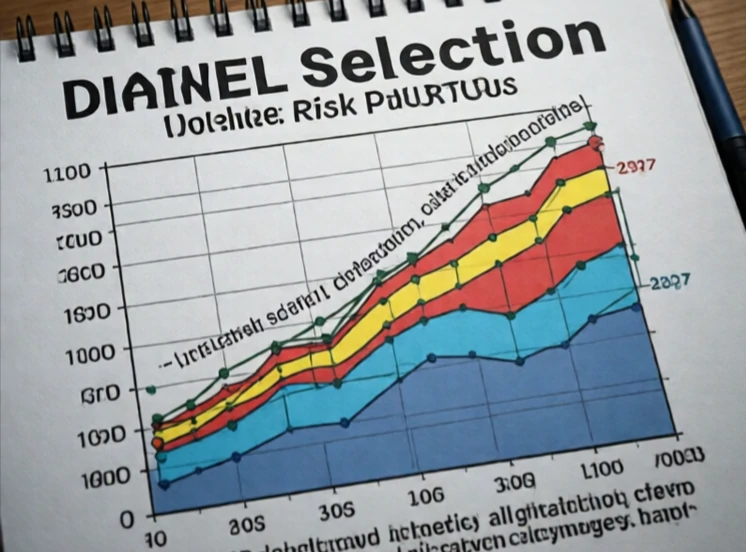
People who expect to need insurance are the ones most eager to buy it. Adverse selection occurs when applicants know more about their own risk than the insurer does and the higher-risk individuals therefore enroll in greater proportion. The resulting pool is riskier than the average population the premiums assumed.
Classic examples appear in health and life insurance. Someone who suspects an undiagnosed illness is more likely to purchase generous coverage. If the insurer cannot detect the elevated risk, premiums prove inadequate and losses mount. Over time the healthier risks may leave, further worsening the pool.
Insurers combat adverse selection with underwriting questions, medical exams, waiting periods, and benefit limitations. Mandatory participation and community rating can also reduce the problem by preventing healthy people from opting out. Managing adverse selection remains a permanent tension in voluntary insurance markets.
- Tendency of higher-risk people to buy more coverage
- Arises from asymmetric information
- Can drive premiums upward and destabilize pools
- Countered by underwriting and plan design
Comments
No comments yet. Be the first to share a thought.
Leave a comment