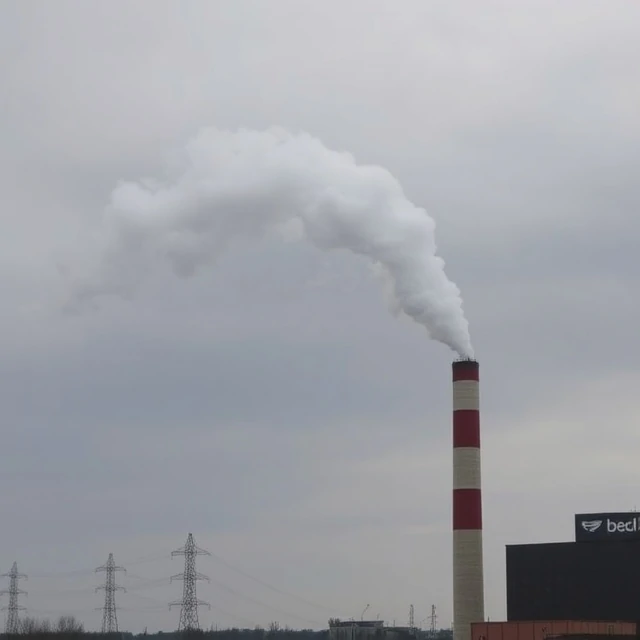
Greenhouse gases trap heat in the atmosphere. They let sunlight pass through but absorb infrared radiation emitted by the Earth's surface. The trapped heat warms the planet. Without these gases, Earth would be about 33 degrees Celsius colder. With too many, it gets too hot.
Water vapor is the most abundant greenhouse gas. Carbon dioxide is the most important one humans add. Methane is more potent per molecule but shorter-lived. Nitrous oxide and fluorinated gases round out the list. Each gas has a different warming effect and atmospheric lifetime. Scientists use carbon dioxide equivalent to compare them.
Concentrations of these gases have risen sharply since industrialization. CO2 is up from 280 to over 420 parts per million. Methane has more than doubled. The increases track closely with fossil fuel use, deforestation, and agriculture. The physics linking these gases to warming is well established. The policy challenge is reducing emissions without disrupting economies.
Main greenhouse gases
- Carbon dioxide
- Methane
- Nitrous oxide
- Water vapor
- Fluorinated gases
Comments
No comments yet. Be the first to share a thought.
Leave a comment