Uranium is a dense, radioactive metal found in rocks and seawater. It is the primary fuel for nuclear reactors. Natural uranium is mostly uranium-238, which does not fission easily. Reactors need uranium-235, which makes up only 0.7 percent of natural uranium. Enrichment raises that share to 3 to 5 percent for power plants.
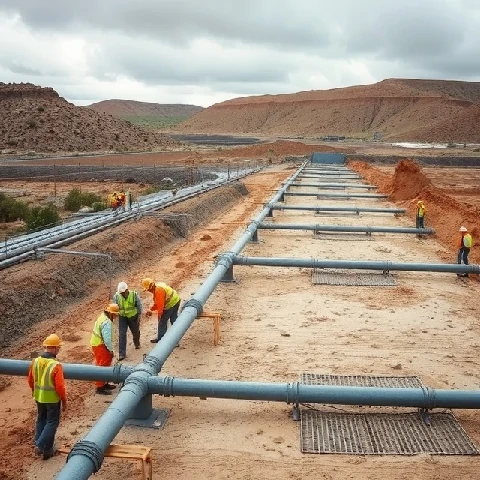
Mining uranium takes several forms. Open-pit and underground mines extract ore. In-situ leaching pumps acid or oxygen into the ground to dissolve uranium, then pumps the solution back up. In-situ leaching now produces most of the world's uranium because it is cheaper and less disruptive.
Supply is concentrated. Kazakhstan produces over 40 percent of the world's uranium. Canada, Australia, and Namibia are also major producers. Prices have been volatile, swinging from $10 to over $100 per pound over the past two decades. Reactors typically hold a multi-year supply to buffer against disruptions.
Key facts
- Radioactive metal
- U-235 is the fissile isotope
- Enrichment required for most reactors
- In-situ leaching dominates mining
- Kazakhstan is the largest producer
Comments
No comments yet. Be the first to share a thought.
Leave a comment