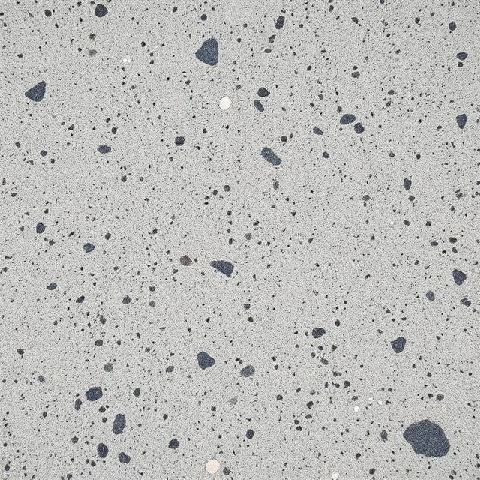
Concrete is mostly aggregate. Sand, gravel, and crushed stone make up 60 to 80 percent of the volume. The cement paste is the glue; the aggregate is the body. It gives concrete its strength, its bulk, and its dimensional stability. Without aggregate, cement paste would shrink and crack. With it, concrete becomes a durable structural material.
Aggregates are classified by size. Fine aggregate is sand, with particles under about 5 millimeters. Coarse aggregate is gravel or crushed stone, ranging from 5 to 40 millimeters or more. The gradation, meaning the distribution of particle sizes, affects workability and strength. A well-graded mix has particles that fill the voids between larger ones, reducing the amount of cement paste needed. That saves money and improves performance.
The type of aggregate matters too. Limestone, granite, and river gravel are common. Lightweight aggregates, like expanded shale or pumice, reduce the weight of concrete. Recycled concrete aggregate saves landfill space and reduces quarrying. Some aggregates react chemically with cement, causing expansion and cracking. That is why testing matters. The aggregate must be clean, hard, and free of clay, silt, and organic matter. A dirty aggregate weakens the concrete.
Comments
No comments yet. Be the first to share a thought.
Leave a comment