Principal is the original amount of money borrowed or invested, excluding interest. If you borrow $10,000 at 5 percent interest, the principal is $10,000. The interest is the extra you pay for the privilege. If you invest $10,000 and it grows to $12,000, the principal is $10,000 and the gain is $2,000.
The distinction matters for loans. In an amortized loan, like a mortgage or auto loan, each payment covers both interest and principal. Early payments go mostly to interest because the balance is high. Later payments go mostly to principal. That is why paying extra early saves so much. A $300,000 mortgage at 6 percent has a monthly payment of about $1,800. In the first month, $1,500 goes to interest and only $300 to principal. By year 25, the split reverses. Prepaying early reduces the balance on which interest is calculated.
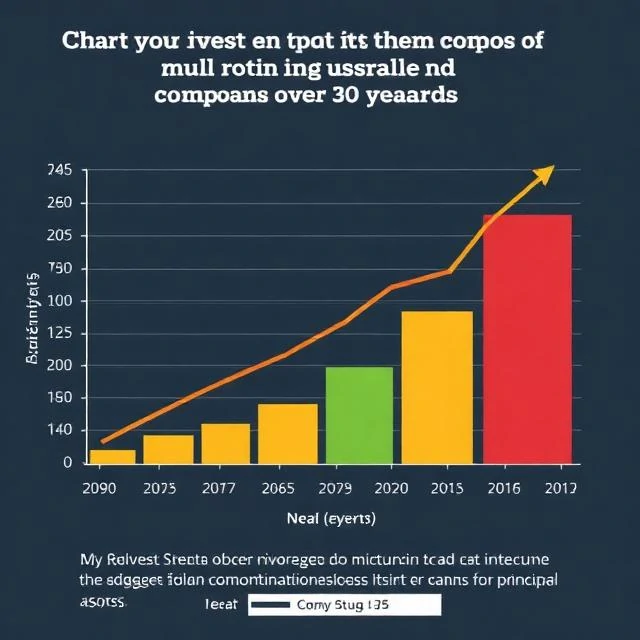
For investments, the principal is what you put in. Dividends, interest, and capital gains are returns on that principal. Compounding works by reinvesting those returns, which increases the principal and generates more returns. A $10,000 investment at 7 percent grows to $76,000 in 30 years if returns are reinvested. Without reinvestment, it grows to only $31,000.
Principal is protected in some accounts and at risk in others. Bank deposits are insured up to a limit, so the principal is safe. Stocks and bonds can lose value, so the principal is at risk. The trade-off between safety and return starts with the principal.
Comments
No comments yet. Be the first to share a thought.
Leave a comment