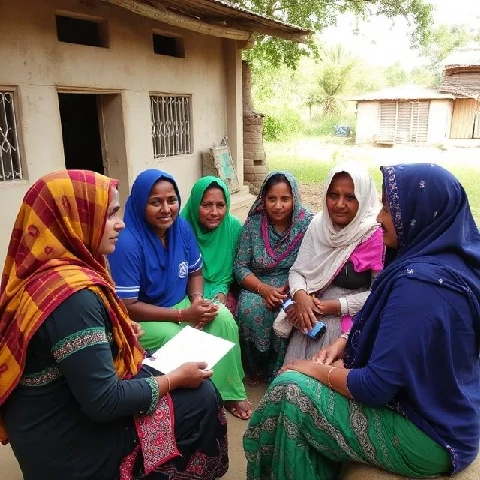
Muhammad Yunus lent $27 to a group of women in Bangladesh in 1976. They used it to buy materials for their furniture business and repaid it. That small loan launched the modern microfinance movement. The idea is simple: small amounts of credit can help poor people start businesses, smooth consumption, and build assets. Traditional banks would not serve them because the loans were too small and the borrowers had no collateral.
Microfinance institutions make small loans, often $50 to $500, without requiring collateral. They use group lending, where borrowers guarantee each other's loans, to reduce default risk. Repayment rates are high, often above 95 percent. The institutions also offer savings accounts, insurance, and financial training. Some are nonprofits. Others are for-profit banks. Yunus and Grameen Bank won the Nobel Peace Prize in 2006.
Microfinance has critics. Some argue that interest rates are too high, sometimes 20 to 40 percent annually, and that borrowers can fall into debt traps. Others point to evidence that microcredit has limited impact on poverty. Randomized studies have found modest effects on business investment and consumption, but not the transformative change early advocates promised. The sector has responded with consumer protection rules, lower rates, and a broader range of services.
Microfinance is not a cure for poverty. It is a tool, and like any tool, it works better in some contexts than others.
Comments
No comments yet. Be the first to share a thought.
Leave a comment