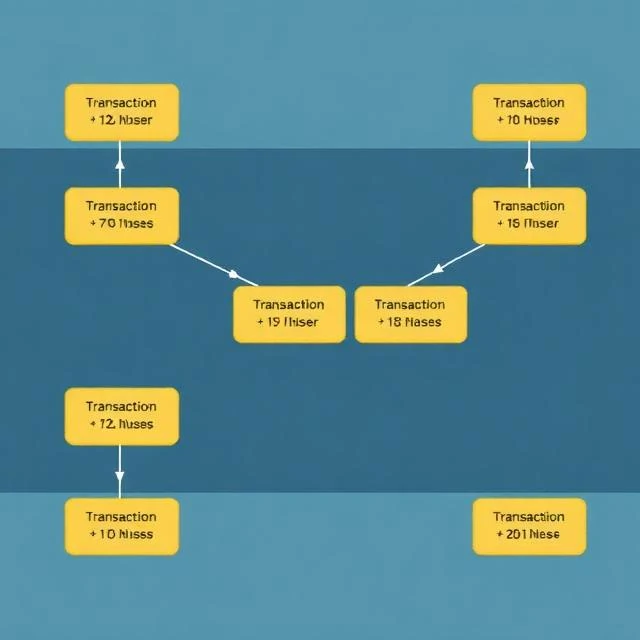
A blockchain is a distributed ledger that records transactions across many computers. Each transaction is grouped into a block. The block is cryptographically linked to the previous block, forming a chain. Once a block is added, changing it would require altering every subsequent block on every copy of the ledger. That makes the record effectively immutable.
The first blockchain was Bitcoin, launched in 2009 by the pseudonymous Satoshi Nakamoto. It solved a problem that had stumped computer scientists for decades: how to achieve consensus without a central authority. Bitcoin uses proof of work, where miners compete to solve a cryptographic puzzle and earn the right to add the next block. Ethereum, launched in 2015, added smart contracts, which are programs that execute automatically when conditions are met. In 2022, Ethereum switched to proof of stake, which uses validators who lock up tokens instead of computing power.
Blockchains are not just for cryptocurrency. They can track supply chains, record property titles, manage digital identities, and settle securities trades. Banks and corporations are experimenting with private blockchains that restrict who can participate. These are faster and more private than public blockchains, but they sacrifice some decentralization.
The technology has limits. Public blockchains are slow and energy-intensive. Scaling them is difficult. Regulatory uncertainty is high. But the core idea, a shared ledger that no single party controls, has proven durable.
Comments
No comments yet. Be the first to share a thought.
Leave a comment