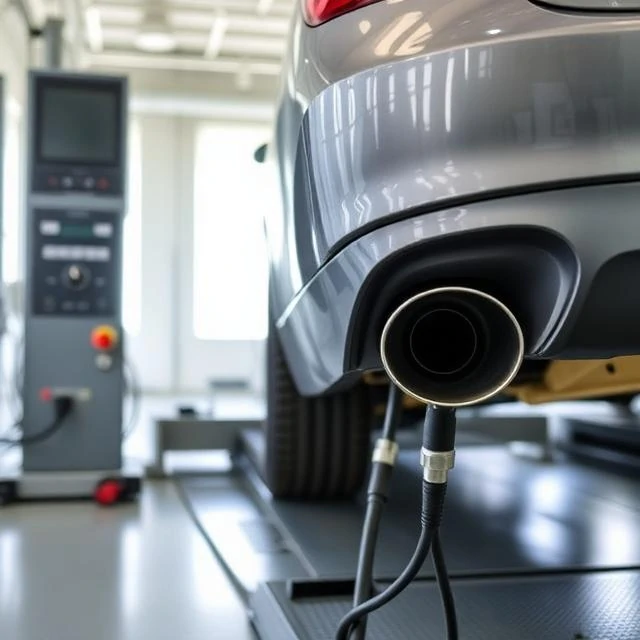
Emissions standards are regulations that limit the pollutants vehicles may release. They cover carbon monoxide, nitrogen oxides, particulate matter, and unburned hydrocarbons. They also regulate greenhouse gases in some jurisdictions. The standards are set by governments and enforced through testing and certification.
The history is instructive. In 1960s Los Angeles, smog was so thick that schools closed and people wore masks. The Clean Air Act of 1970 gave the newly created Environmental Protection Agency the power to regulate vehicle emissions. Catalytic converters, unleaded gasoline, and fuel injection followed. Air quality improved dramatically. California, which has long set its own stricter standards, has been a leader in pushing for cleaner vehicles.
Europe uses the Euro standards, currently Euro 7, which tighten limits on nitrogen oxides and particulates. China has its own China 6 standard. These regulations drive technology. Automakers invest billions to meet them, and the cost is passed to consumers. But the health benefits are large. A study by the American Lung Association estimated that cleaner vehicles prevent thousands of premature deaths each year.
The next frontier is greenhouse gases. The European Union has proposed banning new gasoline and diesel car sales by 2035. Several countries and states have set similar targets. The emissions standard is becoming a tool for climate policy, not just air quality.
Comments (2)
Leave a comment