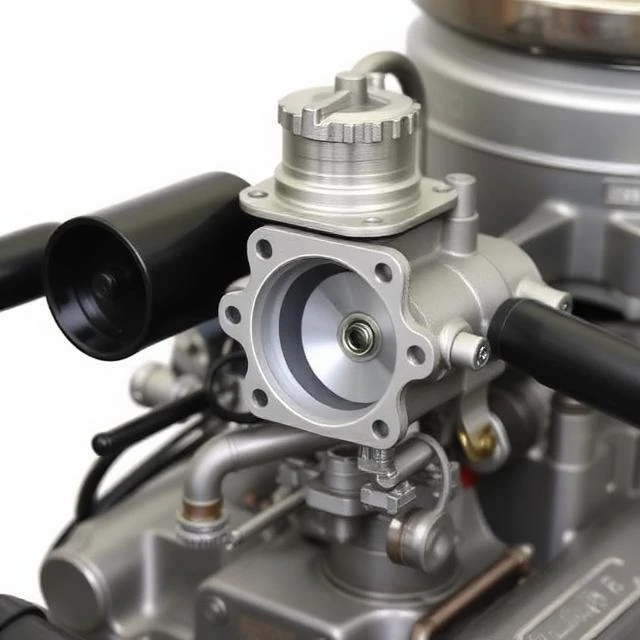
Before fuel injection, cars mixed air and fuel with a carburetor. It was a simple device. Air flowed through a venturi, a narrow section that sped up the air and lowered its pressure. That pressure drop pulled fuel from a float chamber through a jet. The fuel mixed with the air and entered the engine. The driver controlled the mixture with a choke and throttle.
Carburetors worked well for decades. They were cheap, reliable, and easy to repair. But they had limits. They could not precisely control the air-fuel ratio across all conditions. They were sensitive to altitude and temperature. They wasted fuel and produced more emissions than fuel injection. By the 1990s, fuel injection had replaced them on nearly all new cars.
Carburetors still have a following. Classic car enthusiasts rebuild them, tune them, and argue about the best brands. Motorcycles, lawn mowers, and small engines often use them because they are simple and inexpensive. In those applications, the carburetor is not obsolete. It is the right tool for the job.
For anyone who has ever flooded an engine or adjusted a choke on a cold morning, the carburetor is a reminder that cars were once more hands-on. You had to understand how they worked to keep them running.
Comments
No comments yet. Be the first to share a thought.
Leave a comment