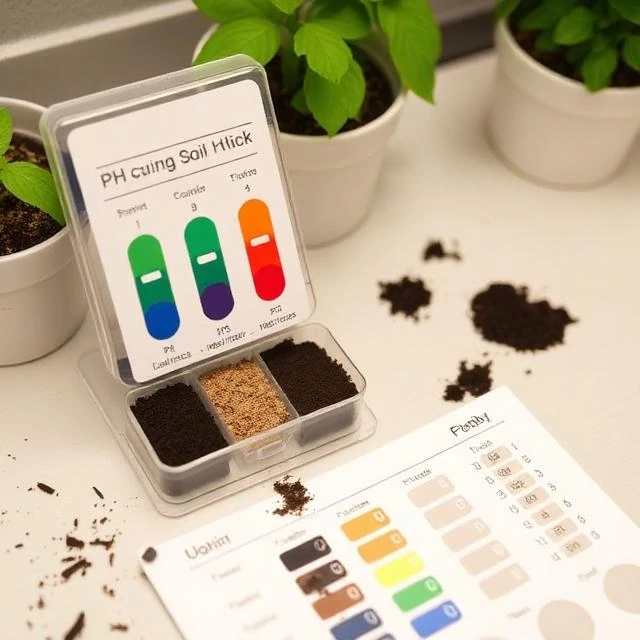
Farmers talk about pH the way mechanics talk about timing. Get it wrong and nothing else works properly. The scale runs from 0 to 14, with 7 neutral, below 7 acidic, and above 7 alkaline. Most crops prefer a range between 6.0 and 7.0.
pH controls nutrient availability. At low pH, phosphorus binds to aluminum and iron and becomes unavailable. At high pH, iron and manganese become insoluble. The nutrients are still in the soil, but roots cannot reach them. Soil pH also affects the microbial community, favoring different bacteria and fungi depending on conditions.
Managing pH
- Lime raises pH in acidic soils
- Sulfur lowers pH in alkaline soils
- Regular testing tracks changes over time
- Organic matter buffers against swings
Correcting pH takes months, not days. Farmers apply amendments in advance of planting and monitor the results across seasons. A field that is off by a full point can lose significant yield even when everything else is right.
Comments
No comments yet. Be the first to share a thought.
Leave a comment