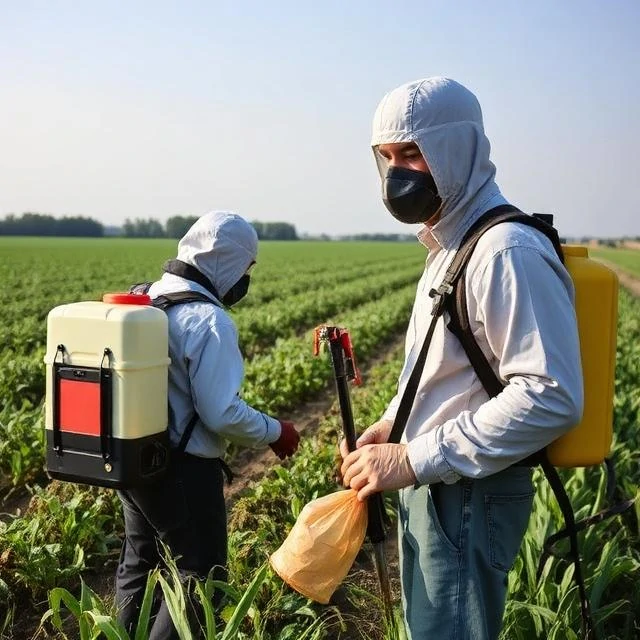
Pesticide is a broad word. It covers any substance used to kill or control organisms that harm crops, livestock, or stored food. That includes insecticides for insects, herbicides for weeds, fungicides for fungi, rodenticides for rodents, and a handful of narrower categories.
The modern pesticide era began in the 1940s with DDT and other synthetic organic compounds. Yields rose, malaria deaths fell, and for a couple of decades the chemicals looked like a permanent answer. Then resistance appeared, beneficial insects declined, and residues turned up in places nobody expected. Rachel Carson's Silent Spring, published in 1962, pushed the issue into public view.
How they are grouped
- By target: herbicide, insecticide, fungicide, nematicide
- By chemistry: organophosphates, pyrethroids, neonicotinoids
- By mode of action: contact, systemic, stomach poison
- By origin: synthetic, botanical, microbial
Regulation is tight in most countries, with maximum residue limits set for food. Growers still face the same practical problem: how to control pests without creating new ones.
Comments
No comments yet. Be the first to share a thought.
Leave a comment