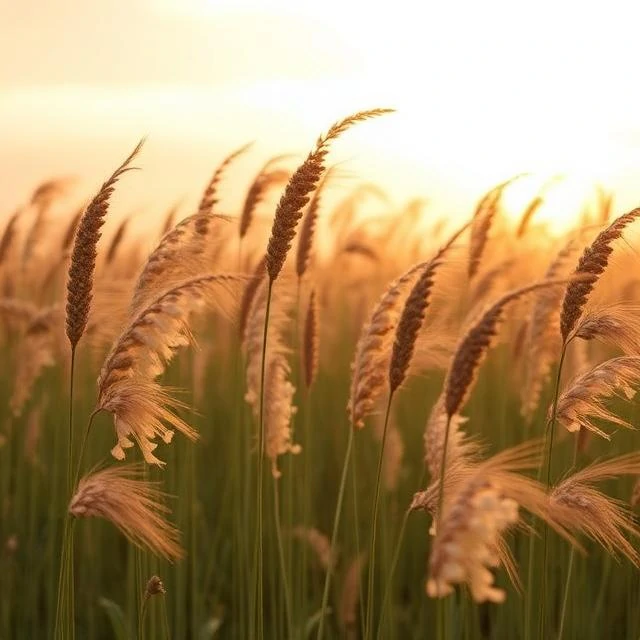
Millets are a group of small-seeded cereals grown mostly in dry regions of Africa and Asia. The name covers several species, including pearl millet, finger millet, foxtail millet, and proso millet. They share a talent for producing grain where maize and wheat would struggle.
Pearl millet is the workhorse of the Sahel, grown across West Africa and India. Finger millet, also called ragi, is a staple in parts of East Africa and southern India. Foxtail millet has been grown in China for at least 7,000 years. Proso millet is a minor crop in the US Great Plains, often used as a catch crop or for birdseed.
Why they matter
- Tolerate drought, poor soils, and high temperatures
- Mature in 60 to 100 days, fitting short rainy seasons
- High in fibre and micronutrients like iron and calcium
- Store well and resist pests in traditional granaries
Millets fell out of favour in the 20th century as governments promoted rice and wheat. Interest has revived as climate change makes dryland farming harder and as consumers look for gluten-free, nutrient-dense grains.
Comments
No comments yet. Be the first to share a thought.
Leave a comment