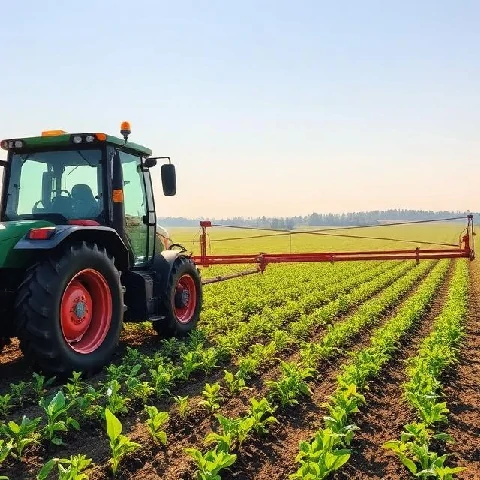
Herbicides kill plants. Farmers use them to knock down weeds that steal water, nutrients, and light from crops. The category is broad, from selective chemicals that spare cereals while killing broadleaf weeds, to non-selective products like glyphosate that kill almost anything green.
The modern herbicide era began in the 1940s with 2,4-D, a compound that could be sprayed over wheat without harming it. Glyphosate arrived in the 1970s and became the backbone of no-till farming, allowing growers to control weeds without ploughing. Genetically modified crops resistant to glyphosate followed in the 1990s.
How they are used
- Pre-emergent: applied before weeds sprout
- Post-emergent: applied after weeds appear
- Burndown: clears vegetation before planting
- Directed spray: aimed at weeds between crop rows
Resistance is the persistent problem. Weeds adapt, sometimes within a decade, and a chemical that once worked flawlessly becomes useless. Growers respond by rotating modes of action and mixing herbicides with mechanical and cultural controls.
Comments (2)
Leave a comment