A crop planted to protect and enrich the soil between main crops.
🌿
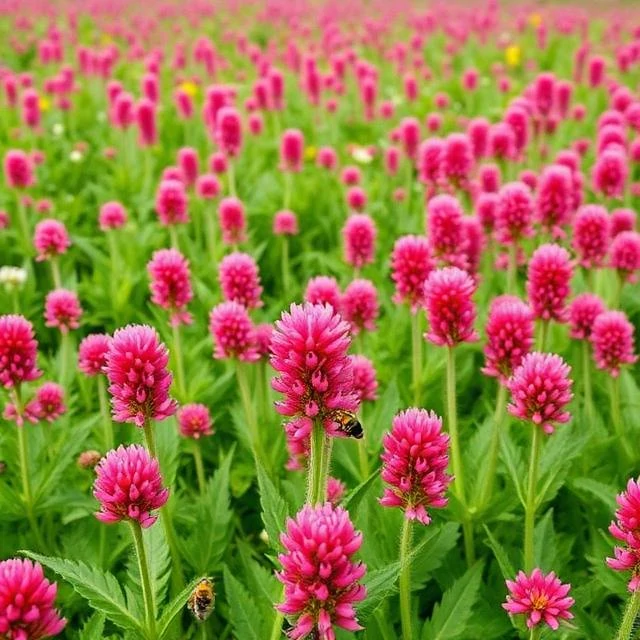
A cover crop is a crop planted primarily to protect and enrich the soil rather than for harvest, typically between main cash crops or during fallow periods. Common cover crops include clovers, vetch, rye, oats, buckwheat, radishes, and mustards. They reduce erosion, suppress weeds, add organic matter, fix nitrogen (in the case of legumes), scavenge residual nutrients, improve soil structure, and support pollinators and beneficial insects. Cover cropping dates back to ancient Roman and Chinese agriculture, where legumes and grasses were used to restore soil fertility. Interest surged in the 20th and 21st centuries as concerns grew about soil degradation, nutrient runoff, and climate change. Cover crops can be terminated by mowing, rolling, grazing, or herbicide and left as mulch, or incorporated into the soil as green manure. They are a central practice in conservation agriculture, organic farming, and regenerative agriculture, and are supported by government cost-share programmes in the United States and Europe.
Comments
No comments yet. Be the first to share a thought.
Leave a comment