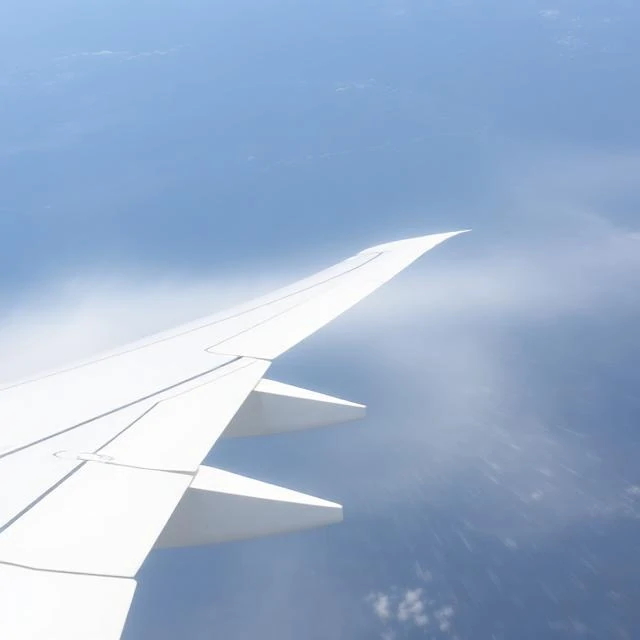
Lift increases as a wing tilts upward into the airflow, up to a point. Past that point, airflow separates from the upper surface and lift collapses. That tilt is the angle of attack, the angle between the wing chord and the oncoming air.
The critical angle, usually around 15 to 18 degrees for most airfoils, marks the stall. Exceed it at any speed and the wing stops flying. This is why an aircraft can stall at high speed in a steep turn or at low speed on final approach.
Controlling the angle
- Pitch input raises or lowers the nose
- Slats and flaps change the effective angle
- Angle of attack vanes feed stall warning systems
- Pilots manage it with power and pitch together
Modern airliners have stick shakers and pushers that warn or intervene before the critical angle is reached. They have prevented many accidents.
Comments
No comments yet. Be the first to share a thought.
Leave a comment