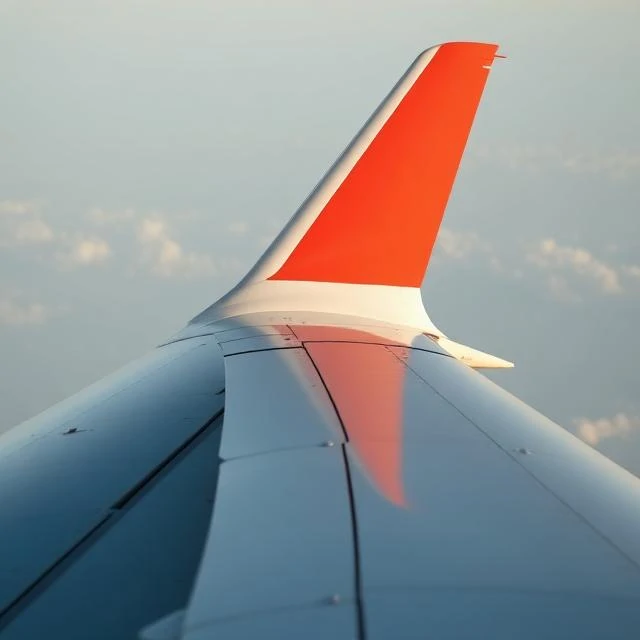
Push the stick left and the aircraft banks left. That roll comes from the ailerons, hinged surfaces near the wingtips that move in opposite directions. The left aileron drops while the right rises, creating more lift on one side and less on the other.
Adverse yaw is the catch. The downgoing aileron produces more drag as well as more lift, which drags that wing backward and turns the nose the wrong way. Designers use differential aileron travel or frise ailerons to reduce the effect, and pilots coordinate with rudder input.
Common configurations
- Outboard ailerons for low-speed roll control
- Inboard ailerons on large jets for high-speed use
- Flaperons that combine flap and aileron function
- Elevons that combine pitch and roll on tailless designs
At high speeds, ailerons must move in small increments. Too much deflection at Mach 0.8 can twist the wing beyond its limits.
Comments
No comments yet. Be the first to share a thought.
Leave a comment