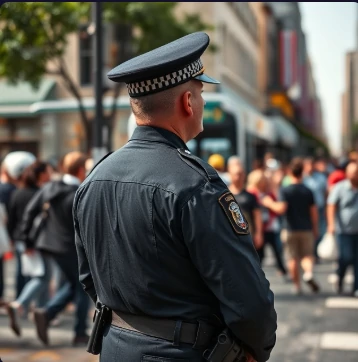
Social control refers to the mechanisms that regulate individual behavior in society. It includes laws, norms, customs, and institutions that encourage conformity. It operates through both formal agents (police, courts, schools) and informal agents (family, friends, neighbors).
Social control is not always repressive. It can be as simple as a raised eyebrow when someone cuts in line. It can be as severe as imprisonment. Internal social control is when people regulate themselves because they have internalized norms. External social control is when others enforce norms through rewards and punishments.
Agents of social control
- Formal: police, courts, prisons, schools
- Informal: family, peers, religious groups
- Internal: conscience, guilt, shame
- Medical: psychiatry, public health
Societies differ in how much control they exert. Authoritarian regimes rely on surveillance and punishment. Democratic societies rely more on internalized norms and voluntary compliance. But every society has limits. Deviance and dissent are always present.
Comments
No comments yet. Be the first to share a thought.
Leave a comment