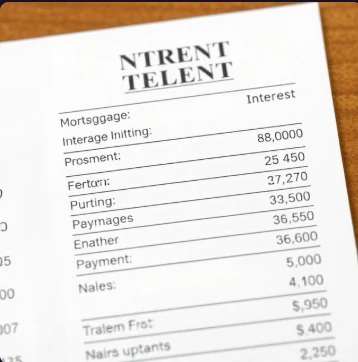
A borrower receives $300,000 and agrees to pay it back with an extra charge that accrues over time. That extra charge is interest. It is the cost of using the lender’s money, expressed as a percentage rate.
Mortgage interest may be fixed for the life of the loan or adjustable at set intervals. The interest rate, combined with the loan amount and term, determines the monthly payment. Interest paid on a primary residence is often tax-deductible within limits.
Lenders set rates according to market conditions, credit risk, and the type of loan. Points paid upfront can buy a lower rate. Over the life of a long mortgage, total interest can equal or exceed the original principal. Understanding how interest accrues helps borrowers compare offers and decide whether to pay extra principal.
The interest rate is the price tag on borrowed capital.
Comments
No comments yet. Be the first to share a thought.
Leave a comment