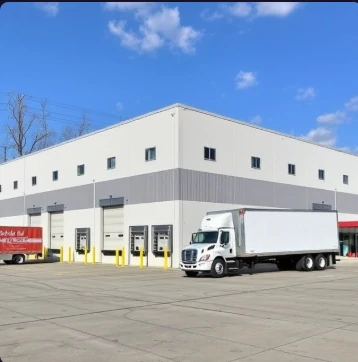
Warehouses, manufacturing plants, distribution centers, and flex spaces constitute industrial property. These assets support production, storage, and logistics rather than office work or retail sales.
Industrial tenants often sign long leases and make significant improvements for their operations. Clear heights, dock doors, power capacity, and truck access drive desirability. Location near transportation networks is critical. Valuation relies heavily on income and replacement cost.
E-commerce growth has increased demand for modern warehouse space in many markets. Older industrial buildings may require environmental assessment because of past uses. Zoning tightly controls where industrial activity can occur. For investors, industrial properties can offer stable cash flow with relatively low management intensity compared with multi-tenant offices or apartments.
- Real estate used for manufacturing, warehousing, or distribution
- Valued on functionality and income
- Sensitive to transportation access and clear height
- Often features long-term net leases
Comments
No comments yet. Be the first to share a thought.
Leave a comment