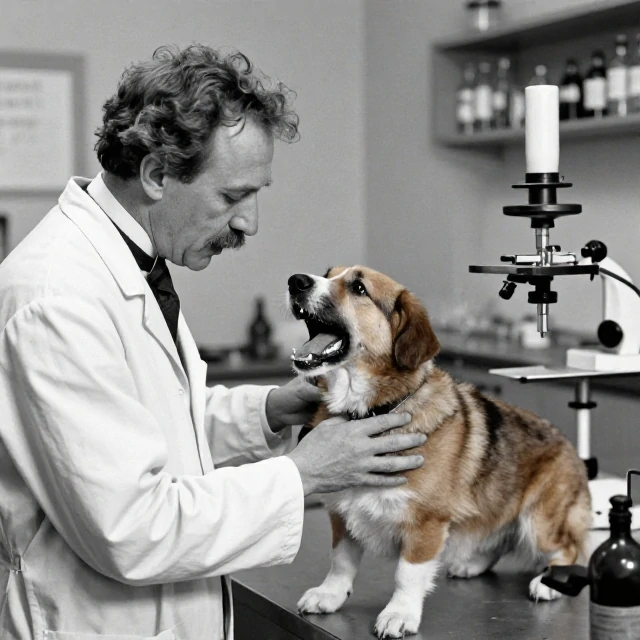
Stimulus generalization is the tendency to respond to stimuli that are similar to the original conditioned stimulus. Pavlov conditioned a dog to salivate to a tone. The dog also salivated to similar tones. The response generalized. The dog did not discriminate. It responded to the category of similar sounds.
Generalization is adaptive. It helps organisms respond to new situations. A child bitten by a large dog may fear all large dogs. That is generalization. It can be useful. It can also be problematic. A fear of all dogs is debilitating. Discrimination is the opposite. It is responding differently to different stimuli. The child learns that some dogs are friendly. That is discrimination.
Examples of stimulus generalization
- Fear of all dogs after being bitten by one dog.
- Salivating to similar tones after conditioning.
- Feeling anxious in all schools after a bad experience in one.
- Responding to all red lights after learning to stop at one.
- Allergic reaction to similar foods.
Stimulus generalization is a basic learning principle. It was demonstrated by Pavlov and Watson. Watson's Little Albert study showed that fear could be conditioned and generalized. Albert was conditioned to fear a white rat. He then feared white rabbits, white masks, and white fur coats. The fear generalized. The study was unethical. It would not be approved today. But it demonstrated the power of generalization. Generalization is the opposite of discrimination. Generalization is broad. Discrimination is narrow. Both are necessary. Generalization helps us respond to new things. Discrimination helps us respond appropriately. The balance between them is learning. Too much generalization leads to errors. Too much discrimination leads to rigidity. The organism must learn when to generalize and when to discriminate. That is the challenge of adaptation.
Comments
No comments yet. Be the first to share a thought.
Leave a comment