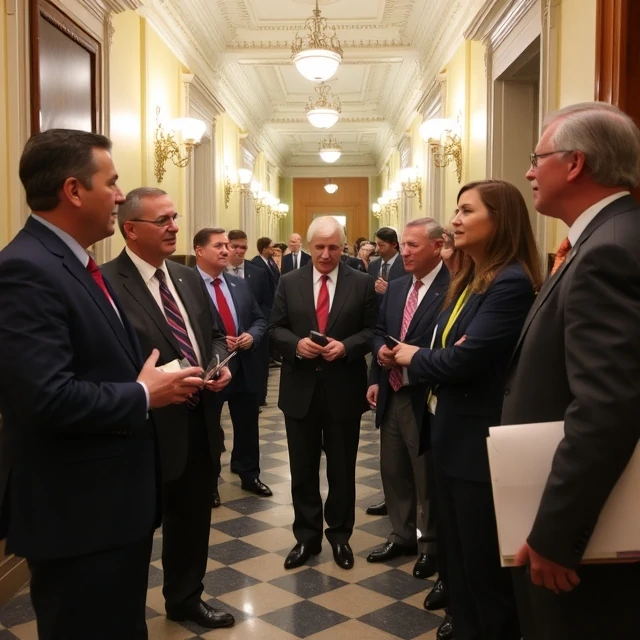
Organized associations that seek to influence public policy without themselves nominating candidates for office are interest groups. They represent industries, professions, labor, environmental causes, identity groups, and innumerable other constituencies.
Interest groups lobby legislators, litigate, mobilize voters, and shape public debate through research and media campaigns. Their resources—money, information, membership intensity—determine access and impact. Pluralist theory views them as healthy channels of representation; critics warn of capture and unequal influence favoring well-funded interests.
Registration and disclosure rules aim to increase transparency. The boundary between interest groups and parties can blur when groups effectively dominate nomination processes or when parties become coalitions of group interests. Effective democratic systems require both vibrant group activity and safeguards against the distortion of public purposes by private power.
A well-organized interest group can keep an issue on the agenda long after general public attention has moved on.
Comments
No comments yet. Be the first to share a thought.
Leave a comment